

I comprehend the title might take you aback https://aviatorcasino.app/lucky-jet/. It’s an peculiar combination, I admit. But let me elaborate where I’m coming from. Having spent years observing Canadian social rituals, I’ve identified a curious detail. During somber occasions, like the get-together after a funeral, people often search for tiny, shared moments of diversion. It’s a gentle, almost natural search for a lighter bond. This is a deeply human urge. That’s how a game like Lucky Jet—a popular crash-style game—appears from a unique angle. I’m not suggesting anyone games during the service. Rather, I’m considering those quiet lulls at gatherings or wakes, when someone goes out for air and checks their phone, searching for a brief, engaging retreat. I want to explore the Canadian context, the position of simple digital entertainment on tough days, and why a game built on rapid, thrilling rounds might find an unexpected appeal during times of reflection.
Grasping Canadian Social Gatherings Following a Loss
In Canada, the time post-funeral typically includes a reception or wake. This gathering is a pillar of how we mourn. It’s less about formal ritual and more about community. People gather in church basements, community centers, or living rooms. They share stories, express condolences over tea and sandwiches, and merely share the same space. The feeling in the room is often a blend of deep sadness and a warm, steady support. Based on my experience, these events take an emotional toll. Attendees, especially those close to the deceased or those holding up the bereaved, commonly need a mental pause. You will see small groups stepping onto the porch, or a person solitary for a bit with their phone. This isn’t a sign of disrespect. It is a brief reset. The Canadian way is generally one of quiet allowance, an understanding that grief presents differently in everyone, and a small distraction may be a tool for managing a flood of feeling.
The need for mild break during heavy moments
Grief doesn’t follow a straight line. Our thoughts can’t contain intense sorrow absent some relief. During long days packed with arrangements and emotional gatherings, the mind searches for micro-moments of respite. This represents psychology, not any personal failing. A gentle distraction, an activity that demands a sliver of focus away from the sadness, can offer a crucial break. It enables a person catch their breath before returning into a supportive role or their private grief. For numerous Canadians, particularly younger people or those accustomed to being connected, this may involve scrolling social media, checking the news, or engaging with a simple game on their phone. The term “light” is key. The task has to be undemanding, quick, and able to deliver a small dopamine hit—a tiny spark of something other than sorrow. It functions as a self-care mechanism, a way to contain the pain for a moment so you may return to the room feeling a bit more grounded and capable of listen.
What’s the Lucky Jet Game?
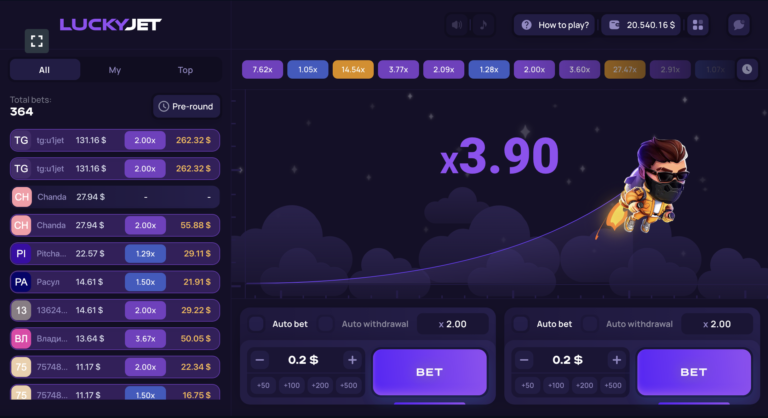
Let’s talk specifically about Lucky Jet. If you haven’t encountered it, Lucky Jet is a well-known online “crash” game. Its concept is beautifully simple and visually engaging. You put down a wager and watch a person—usually a figure with a jetpack—start flying upward. A multiplier increases as it goes up. You withdraw your bet before the jet randomly disappears to claim your winnings at that multiplier. If you’re too slow, you lose that bet. It’s a trial of nerve, timing, and snap decisions. A single round takes seconds. The whole experience is centered around quick bursts of anticipation and resolution. The visual cues, the increasing numbers, the instant result—it creates a addictive loop. Its mechanics are suited to short, attention-grabbing sessions. It doesn’t require long-term commitment or complex strategy; it’s a moment-in-time experience. That’s why it’s a suitable option for the kind of brief mental break I described earlier.

The reason Simple Games Strike a Chord During Reflection
There’s a profound reason basic, recurring games become popular during distress or melancholy. Games like Lucky Jet, or even longtime standards like Solitaire or light mobile puzzles, work on a mechanism of foreseeable unpredictability. We understand the rules, but each round’s outcome is a unknown. This captivates a basic part of our brain programmed for pattern recognition and reward, shifting focus away from cyclical, agonizing thoughts. Imagine someone positioned in a corner at a Canadian funeral reception, mentally overloaded. Starting a quick game offers their mind a organized task. It assigns a “job”—track the jet, determine when to cash out—that exists entirely outside the day’s sentimental weight. This is not truly about winning money (and responsible gaming is essential); it’s about the psychological shift. The straightforwardness is the entire point. It provides a controlled space where you can feel a small thrill or a minor disappointment, all within the protected, temporary container of your phone screen.
The Norms of Tech Interludes at Solemn Occasions
Having a phone out at a funeral or after-event calls for sensitivity and polite conduct, something taken seriously in polite Canadian circles. The key principle is subtlety and deference. You are there to pay tribute to the person who died and support their relatives. Openly gaming or scrolling through social media in the center of the main room would be deemed inappropriate. However, stepping away briefly for personal space in a designated spot—an patio, a quiet hallway, your vehicle—is usually understood. If you use a moment to relax with a game similar to Lucky Jet, manage it out of sight, silently, and briefly. Think of it as a private recharge tool, not a group activity. My recommendation is to keep your phone on silent, put on headphones for any sound, and be wholly engaged when in company. The tech timeout is a strategy to keep your own emotional balance, so you can be a stronger presence. It’s not an excuse to check out of the gathering altogether.
Cultural Sensitivity Across Canada’s Diversity
Canada is a cultural mosaic. Views toward death, mourning, and proper funeral behavior differ greatly. A quiet, reflective reception in one community may be a loud, celebratory wake in another. In some traditions, bringing out any form of game would be deeply offensive. In others, sharing stories and even lighthearted activities might be part of healing. This is the area where cultural sensitivity is paramount. As someone fascinated by social dynamics, I have to emphasize reading the room and following the host family’s lead. The idea of a brief digital https://nypost.com/betting/fanduel-vs-draftkings/ distraction constitutes a modern, personal coping method. It might not fit every cultural context. Before any thought of personal entertainment at such an event, you have to prioritize the customs and feelings of the grieving family and the gathering’s dominant cultural norms.
Responsible Gaming Mindset Constantly
This discussion brings us to a vital point: responsible gaming. Whether playing during a stressful moment or in daily life, a balanced mindset is mandatory. Games like Lucky Jet are designed for fun, not as a strategy for handling emotional distress. If you notice yourself going to gaming (or any activity) frequently to avoid experiencing difficult emotions, it’s a sign to look for healthier support. Here are my personal rules for managing game sessions in balance, especially during emotionally vulnerable times:
- Define Strict Limits: Choose a very limited time limit (say, 5-10 minutes) or a minimal, loss-only budget before you start. Follow it no matter what.
- Enjoy the Moment, Not the Outcome: Concentrate on the brief distraction the gameplay provides, not on success or chasing losses. The benefit is in the mental break.
- Examine Your Motive: Consider: am I playing to gently reset, or to dull the pain? The initial is a aid; the latter can be a warning sign.
- Step away Easily: Be prepared to close the app right away if someone wants you or if you need to re-join the event. The game should not ever hold your focus more than the real-world situation.
Different Ways to Find a Mental Pause
A quick game is one approach among many. It’s certainly not the sole path to a moment of peace on a challenging day. I often recommend exploring other mindfulness techniques that can be just as helpful for grounding yourself. Heading outside for a short walk, even just around the block, can do wonders. Focusing on your breath—inhaling for four counts, holding for four, exhaling for four—is a potent, discreet reset. Initiating a simple, grounding conversation about a neutral topic (the weather, a sports team, a shared memory unrelated to the loss) can also shift your mental state. Sometimes, the most productive pause is to extend help with practical tasks at the reception, like refilling coffee urns or clearing plates. This channels your energy outward in a productive way, giving your mind a fresh kind of focus. The goal remains the same: a brief interlude from the emotional weight to restore your capacity for support and presence.
Combining Tradition with Contemporary Coping Mechanisms
The scene of mourning in Canada is evolving. It merges long-held traditions with modern ideas about mental https://www.annualreports.com/HostedData/AnnualReportArchive/w/LSE_WMH.L_2018.pdf well-being. The core principles—respect, community, remembrance—stay firm. But how individuals handle their personal grief within that framework is becoming more individualized. The silent understanding that someone might need to step away for a few minutes is more widespread now. The discreet use of a phone for a calming game, a text to a distant friend, or a mindfulness app is becoming a standard, though private, part of handling long and emotionally complex days. It embodies a fusion of old and new: honoring the timeless ritual of gathering while acknowledging contemporary tools for emotional regulation. Looking ahead, I think the most compassionate way is one that makes room for both profound tradition and personal, modern coping strategies, provided they are carried out with the utmost respect and discretion.
The relationship between somber moments and a game like Lucky Jet in Canada isn’t really about the game itself. It’s about the universal human need for brief mental respites during periods of intense emotional labor. It shows how modern digital tools, when used mindfully and responsibly, can offer tiny sanctuaries of focus and distraction. These small intervals allow us to return to our supportive roles with a slightly renewed strength. The important things to bear in mind are respect for the occasion, sensitivity to cultural and family norms, and a balanced, healthy approach to using any entertainment as a temporary reset. In the quiet moments after a final farewell, finding a way to steady yourself isn’t an act of disrespect. Often, it’s a necessary step on the long path of grief and support.
